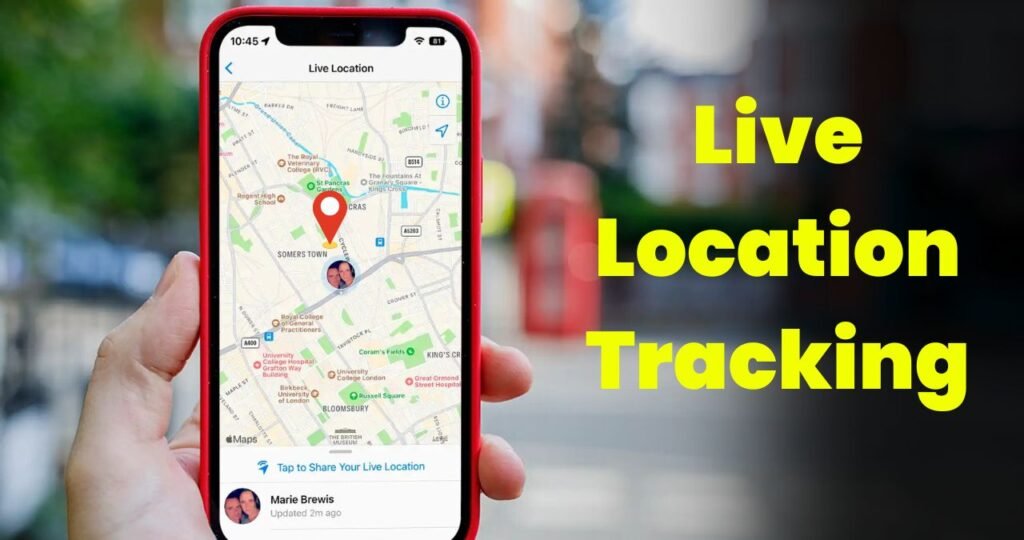
Track Live Location: Imagine you left your elderly parents at home and your mind won’t stop. Are they alright? Where are they now? Or your child is late coming back from school and your heart is racing. In such moments many people wish they could simply type a phone number and see the exact location. The truth is: it isn’t that simple. In this article I’ll explain in plain English what’s possible, what’s not, the legal and safe ways to know someone’s location, and what you should absolutely avoid.
Can you get location just from a phone number?
No, not directly. Mobile network operators (like Airtel, Jio, Vodafone and others) have tower and signal data that can roughly estimate a phone’s location. But that information isn’t available to the general public. Only law enforcement, emergency services, or someone with a proper legal order can request that data from an operator. So websites or apps that promise “enter a phone number and get the location” are usually misleading, fake, or illegal.
Legal and safe ways to know someone’s location
The best and simplest method is to get the person’s consent and use a location-sharing service. There are easy, legitimate options:
- Built-in phone features like Google Maps’ “Share location” let a person share real-time location for a set time or indefinitely with someone they trust.
- Messaging apps such as WhatsApp and Telegram allow live location sharing for a defined duration.
- Family locator apps or device features like Find My Device Android or Find My (Apple) work if the account is set up and location services are enabled.
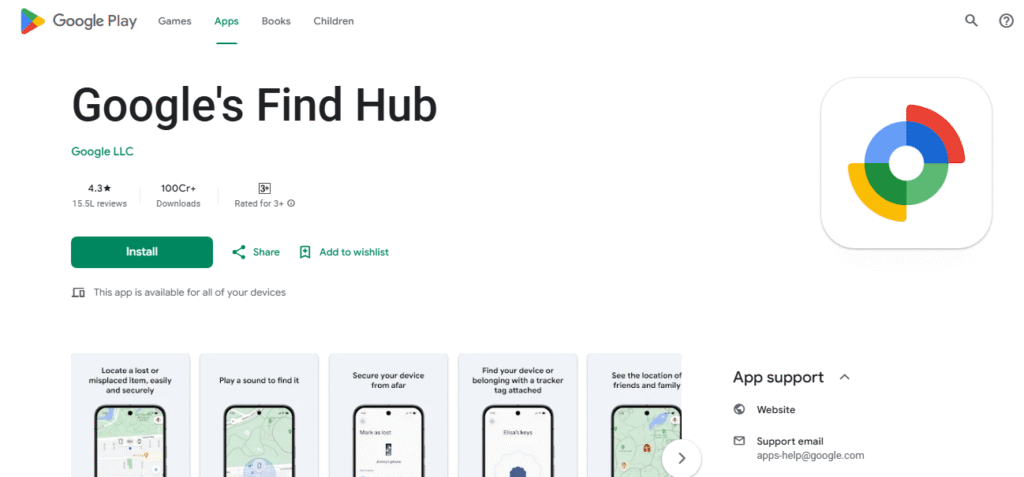
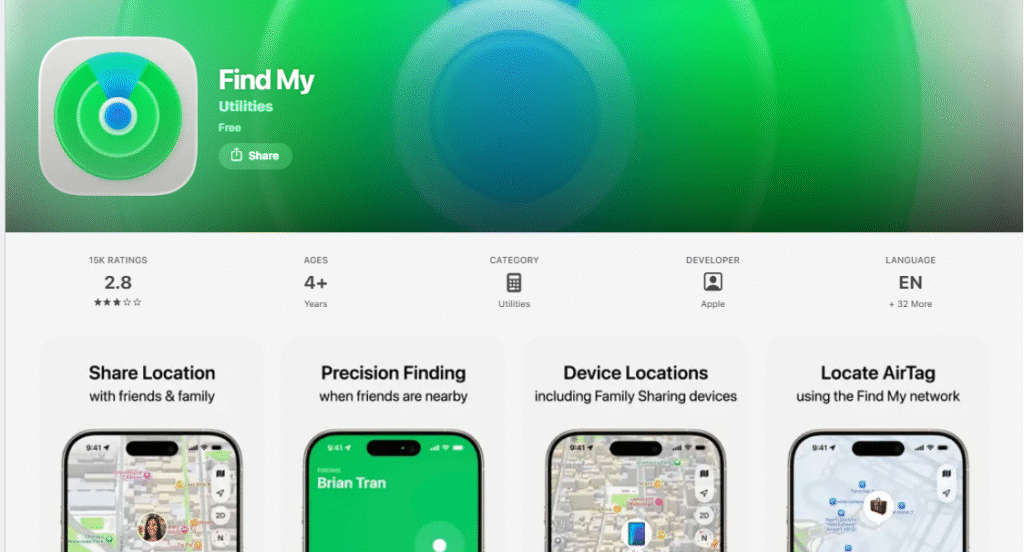
These methods respect privacy because both people agree to share. They are reliable, legal, and easy to switch off.
Another lawful route is to involve the phone operator through official channels but operators won’t provide location details to random requests. They cooperate with police and emergency services when there is a registered FIR or an urgent legal request. So when a real emergency occurs, the police can request data and act.
If the phone is yours and you’ve set up tracking in advance (like Find My Device), you can locate it if it’s lost or stolen. That only works when the device owner has already enabled the necessary settings.
Why you must avoid illegal shortcuts
The internet is full of sites and apps claiming to reveal someone’s location from a number. These are often scams that steal your data or money. Some services claim to do “background tracking” or sell “spy” apps these are illegal in many places and violate personal privacy. Secretly tracking someone’s location can lead to criminal charges and hurt relationships. Don’t use or promote tools that track without clear permission.
Practical ways for families and friends
If you want to keep family members safe, use open and agreed-upon tools. Google Maps location sharing is simple: ask the person to share their location with you for a set time. WhatsApp’s live location feature is handy for short trips. For children, parents can install family-link or parental control apps that include location sharing and safety features. These approaches build trust because everyone knows what is being shared and why.
Also, make small habits: ask family to share their location when traveling long distances, or keep location sharing on for elderly relatives who need monitoring. These habits help without invading privacy.
What to do in a real emergency
If someone is in immediate danger kidnapping, missing person, or a violent incident contact the police immediately. File an FIR or call the emergency helpline. Provide any useful information: last known location, recent calls or messages, screenshots, or the phone number. Police have the authority and technical means to request location data from operators quickly and act on it. Trying to track the number yourself in such situations can waste time and may even damage evidence.
Think about privacy and consent
Location is sensitive personal information. Everyone has the right to control who knows their whereabouts. Tracking someone secretly can break trust and cause legal trouble. Whether it’s a partner, friend, or child, communicate openly and only track when there’s consent or a clear safety reason. Transparency keeps relationships healthy and keeps you on the right side of the law.